College athletes and administrators are trying to tackle mental health concerns. But it may be a more significant problem than they realize.
*Note: This story mentions self-harm and suicide. If you or someone you know is having suicidal thoughts or emotional distress, contact the Suicide & Crisis Lifeline by calling or texting 988*
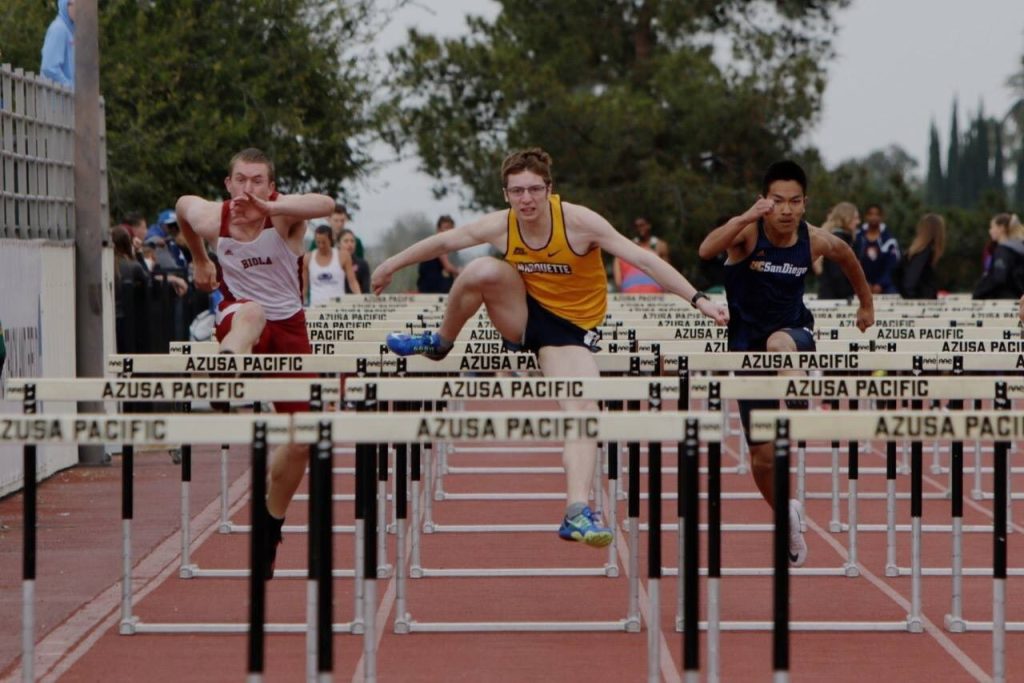
College athletes’ stories are often told in four parts, from being a new freshman on the block to a senior who can help their team win a championship. Andrew Chabon’s path has been filled with internal struggles, including depression and a sense of not belonging.
Coming out of high school, Chabon initially committed to Marquette University in 2017. But two months into his first semester, he had his first depressive episode.
“I basically fell apart for a month and did nothing,” Chabon said. “I kind of gave up, and I did not improve on the issues causing it.”
After the episode, Chabon sought help from the counseling center on campus. But their reply to his initial email discouraged him even more.
“I basically got told that if you are not suicidal, please wait two weeks. And it was very demoralizing to hear that because since I am not suicidal, I have to wait in line,” Chabon said.
Paired with being mentally drained, Chabon withdrew from Marquette and took a gap year to find himself. Eventually, Chabon received his associate degree before enrolling at the University of Massachusetts-Amherst and joining the track team.
After being out of competition for over two years, Chabon struggled to get back into shape. With self-doubt creeping in, Chabon sat down with the campus’s sports psychologist to talk things over.
These discussions eased Chabon’s mind and gave him the confidence to compete. And at the 2021 A-10 Outdoor Track and Field Championships, Chabon won the Minutemen’s first gold medal in the long jump.
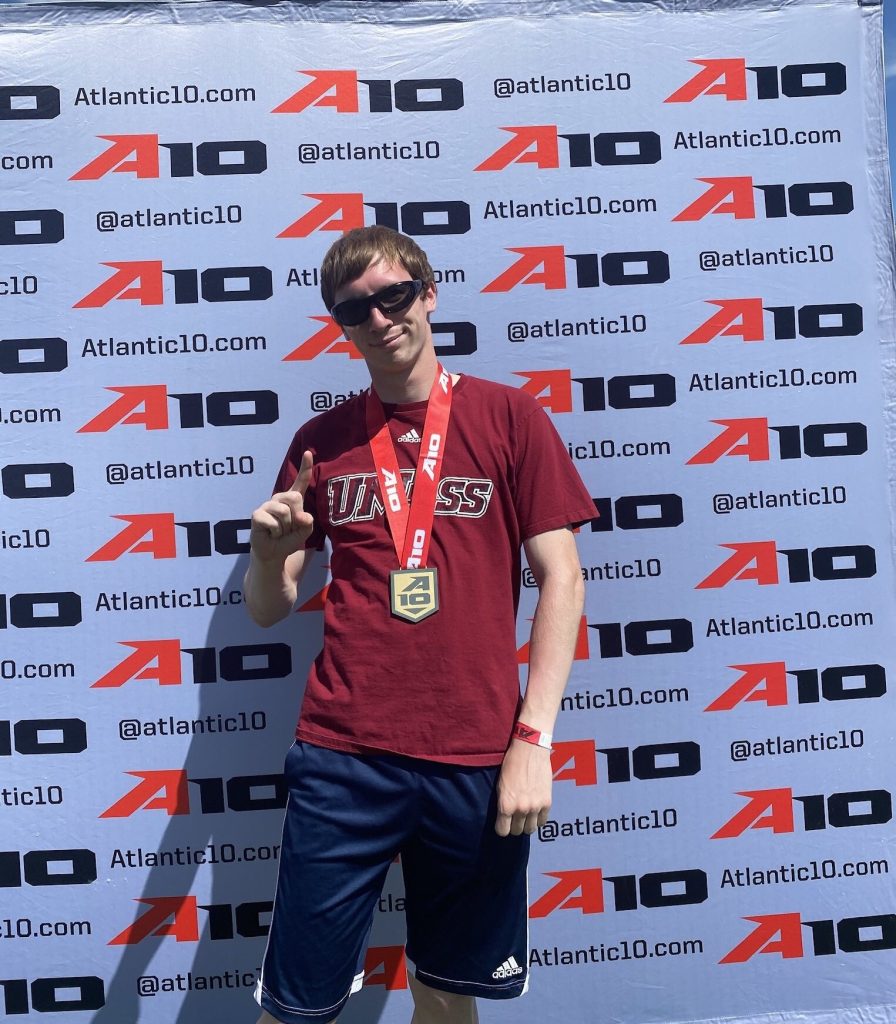
Despite the success, Chabon medically retired from competition in the spring of 2022 due to an ankle injury. Although his career was cut short, Chabon officially graduated this spring with a degree in kinesiology.
Although Chabon’s experience may seem like a blip on the radar, his story is an example of the larger population of mental health concerns for collegiate athletes.
According to the NCAA’s most recent Mental Well-Being Study, male and female athletes labeled feeling overwhelmed and mental exhaustion as their top concerns. And compared to the previous two studies, these levels have remained similar.
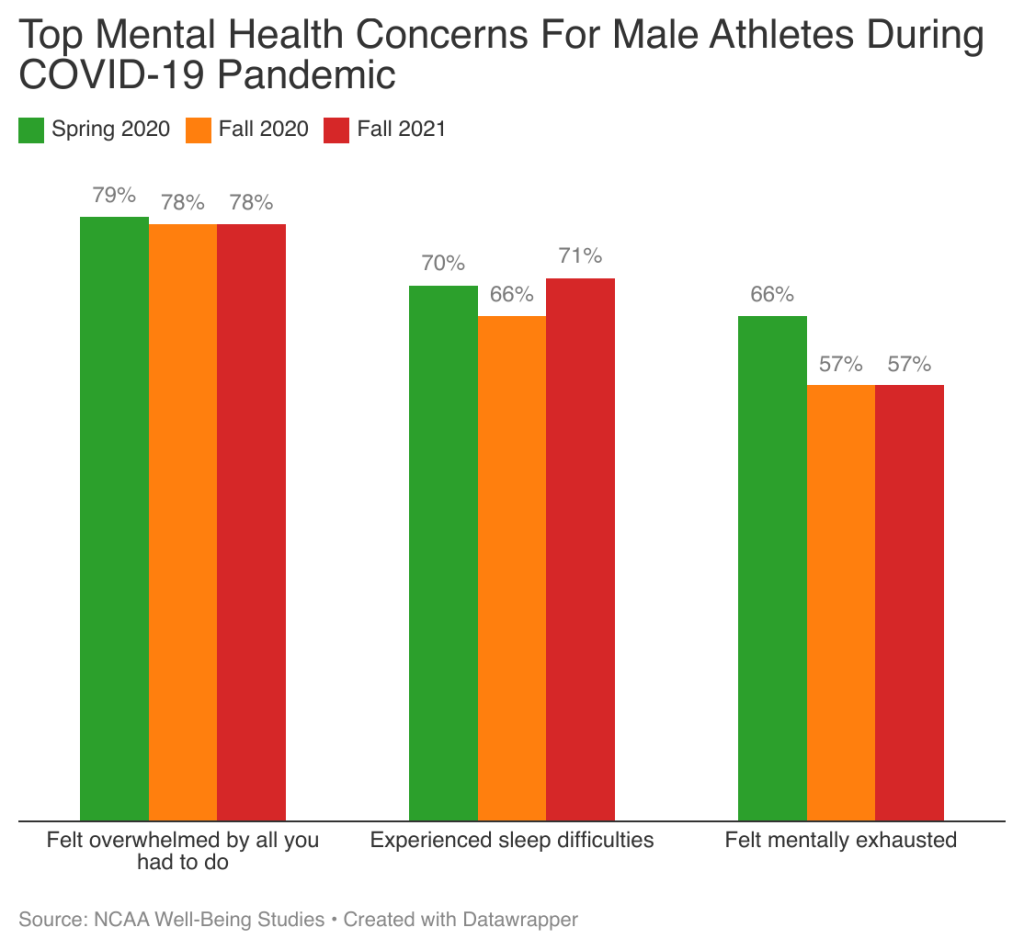
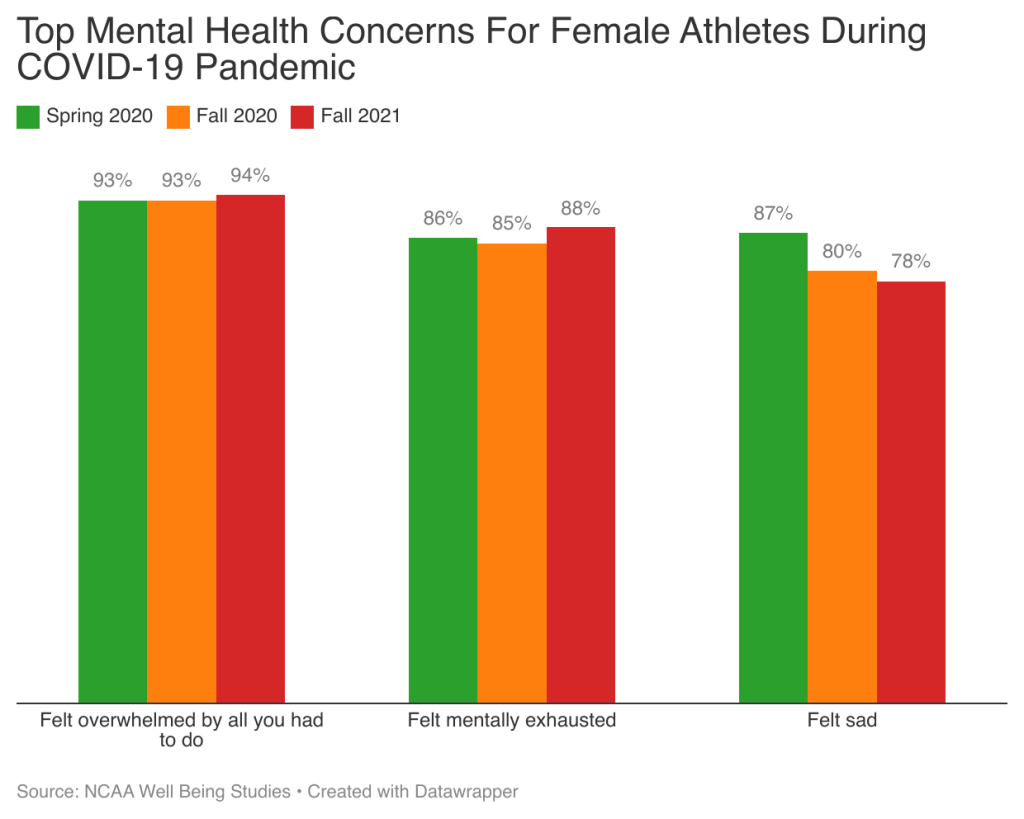
Chabon says he felt overwhelmed and mentally exhausted during his college career. But the former UMass track athlete says mental health is more than the results in this study.
“It’s far greater than people realize because many student-athletes do not realize they have problems themselves,” Chabon said. “They would not think they have a problem themselves because they do not want to push their problems on someone else, even though they are just as deserving to get help as anyone else.”
With the pressure of a championship or final exam on their shoulders, student-athletes have a lot on their plate.
But for Gwen Schemm, the pressures were too much to handle alone.
Resources, Resources, Resources
Being a student-athlete can be a sea of unknowns, from late-night practices to study cram sessions. For Gwen Schemm, her experience was more than that.
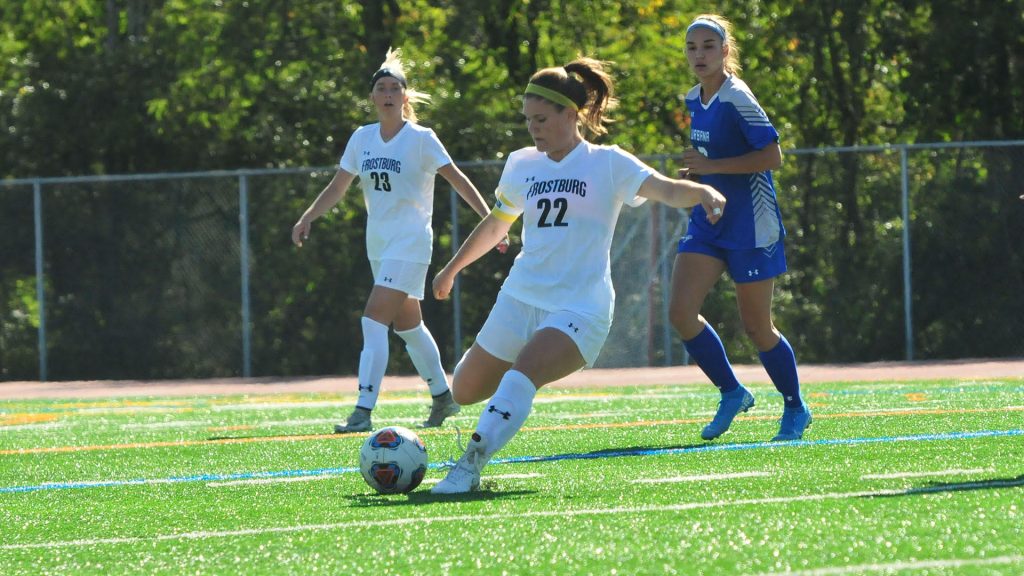
The former Frostburg State women’s soccer star looks back at her career as full of ups and down. But she points to her first finals week in December 2016 when she realized something was wrong.
“I was terrified I was going to get a B, the soccer season did not go well, and I did not know who I was, as there was this identity crisis on top of it because I had been Gwen Schemm the soccer player my whole life. And then it was, who is Gwen Schemm.”
Paired with the pressure to be perfect, Schemm did not know where to turn. And she says that was when she self-harmed for the first time.
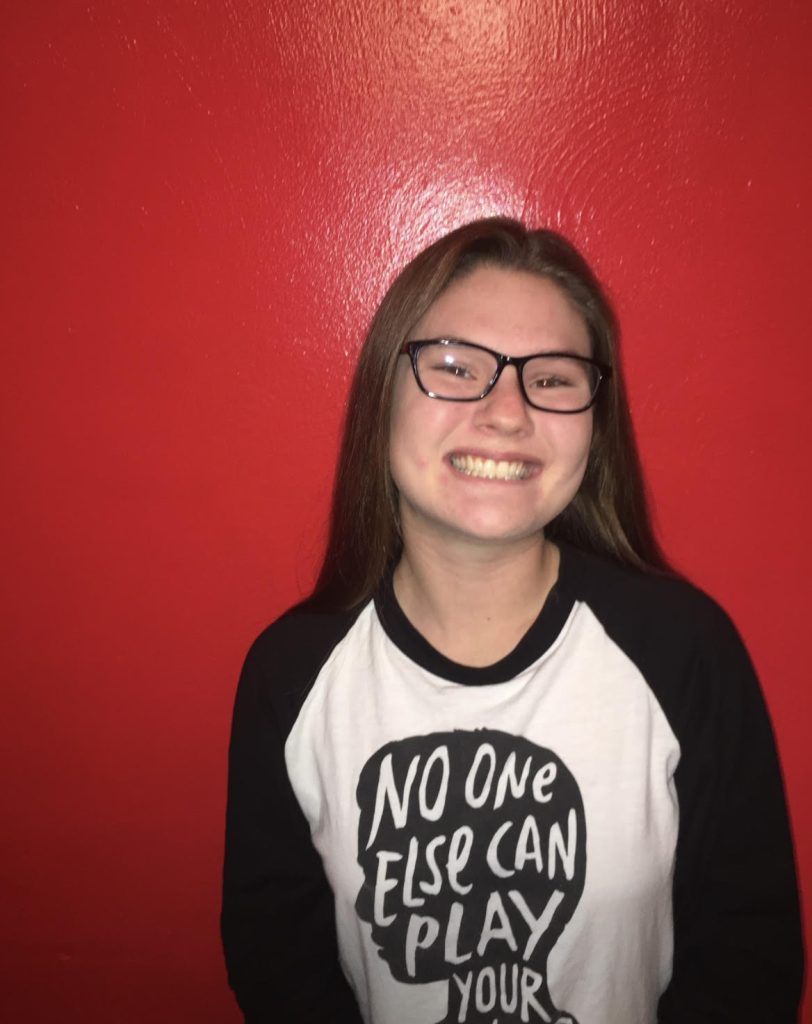
“I think a lot of it was me not communicating, but me also not knowing how to communicate what was going on,” Schemm said. “I tried to deal with it all myself, and I felt like I had no choice but to release pain differently.”
Schemm was living two lives. On one side, she had a 4.0 GPA and was editor of the school newspaper. On the other was someone who was lost.
After the winter break, Schemm returned to Frostburg State with a different mindset. Listening to music and reading books did not make her thoughts disappear.
So, she walked into the counseling center for the first time.
“I think because I was terrified, and I genuinely was at a loss for things to do and to help myself,” Schemm said. “My everyday coping skills were not helping, and I knew I did not want to necessarily go to anyone on my soccer staff because I did not want it to affect any of them.”
Chance Olivas, a mental health counselor at St. Bonaventure University, has met with numerous student-athletes like Schemm. And he says pressure is one of the most significant stressors.

“It is always going to be a pressure thing because athletes are told they are representative of the team and the entire university,” Olivas said. “Athletes do not get to let their hair down too often because they have all of these things, and it’s very frustrating to balance all of that when college has the stereotype of it’s the time of our lives.”
If a student-athlete at St. Bonaventure wants counseling, they can request an appointment via email or phone. Once a counselor responds, a meeting is set up to gather information and coordinate the next steps.
Although some concerns may be addressed in a few sessions, Olivas says the number is scattered for each athlete.
“Everyone is different, but typically athletes are a little more scattered depending on schedule because of in-season and practices,” Olivas said. “It depends on where they are at, as I cannot say, five sessions, and you are going to feel phenomenal.”
For Schemm, walking into that first counseling session at Frostburg State in January 2017 was an eye-opener.
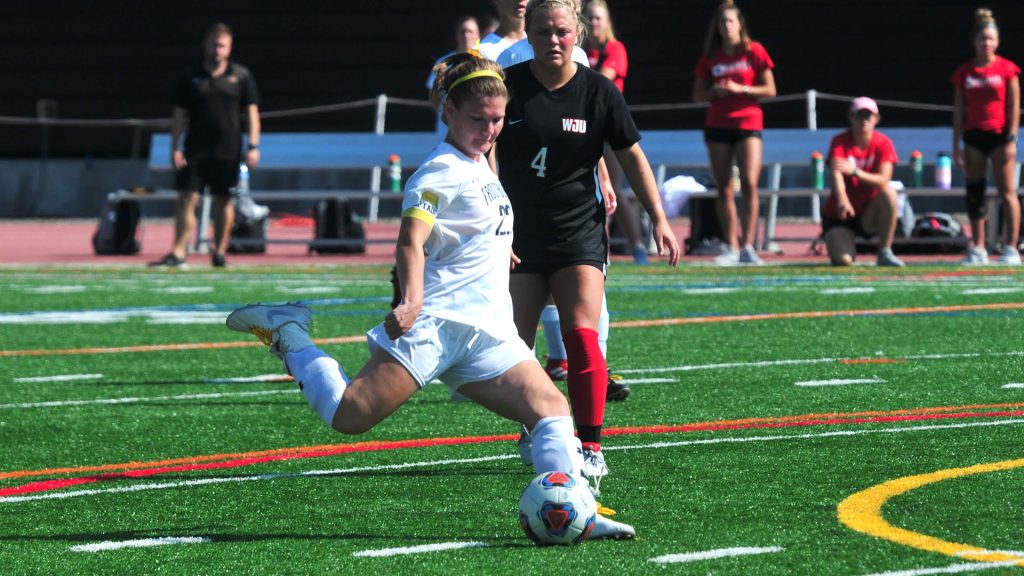
“I was still struggling, but I knew how to cope with it, and I knew what was going on,” Schemm said. “I finally had an understanding as to why I felt the way I felt. And I had coping mechanisms geared specifically toward me and how I like to deal with things.”
Through this first exposure to the counseling services at Frostburg State, Schemm continued to speak to a counselor through her final three years for the Bobcats.
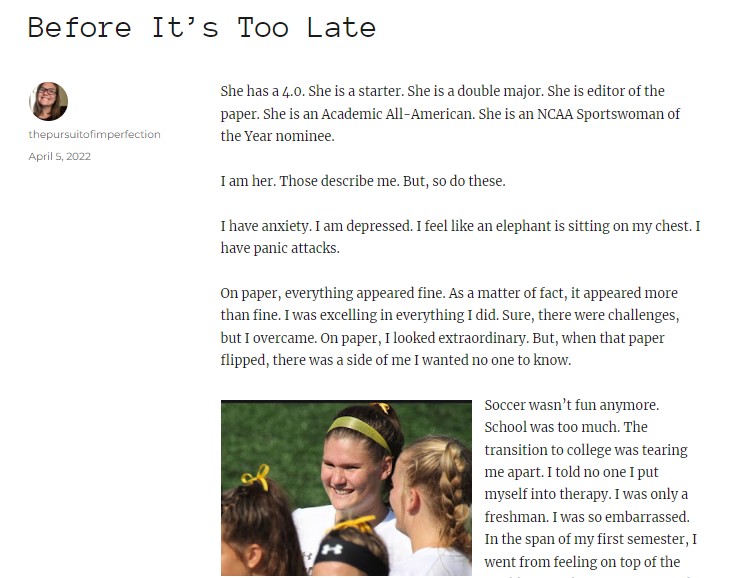
“Even if I did not want to talk about anything super serious, it was nice to have someone that just listened in a non-judgmental way,” Schemm said.
Since graduating from Frostburg State in 2020, Schemm regularly sees a therapist. There have been some bumps in the road, including spending three weeks in an Adult Day Hospital through Shepard Pratt in Baltimore, Maryland. The organization is the largest private nonprofit of mental health, special education, and substance abuse services in the country.
View this post on Instagram
Schemm says she went into the program with a horrible attitude. But her perspective changed after three days.
“After my three-day pity party, I decided that since I had to be there, I would at least let them help me,” Schemm wrote. “And though it took me a few days, it was a good decision to make.”
Like many current and former college athletes, Schemm understands mental health is like a jawbreaker. It is a process that cannot be completed in one therapy session or discussion.
But while going to a therapist or counselor can help, student-athlete mental health concerns can boil down to other things. For junior Jen Reagan, that included a challenging team environment.
A challenging environment
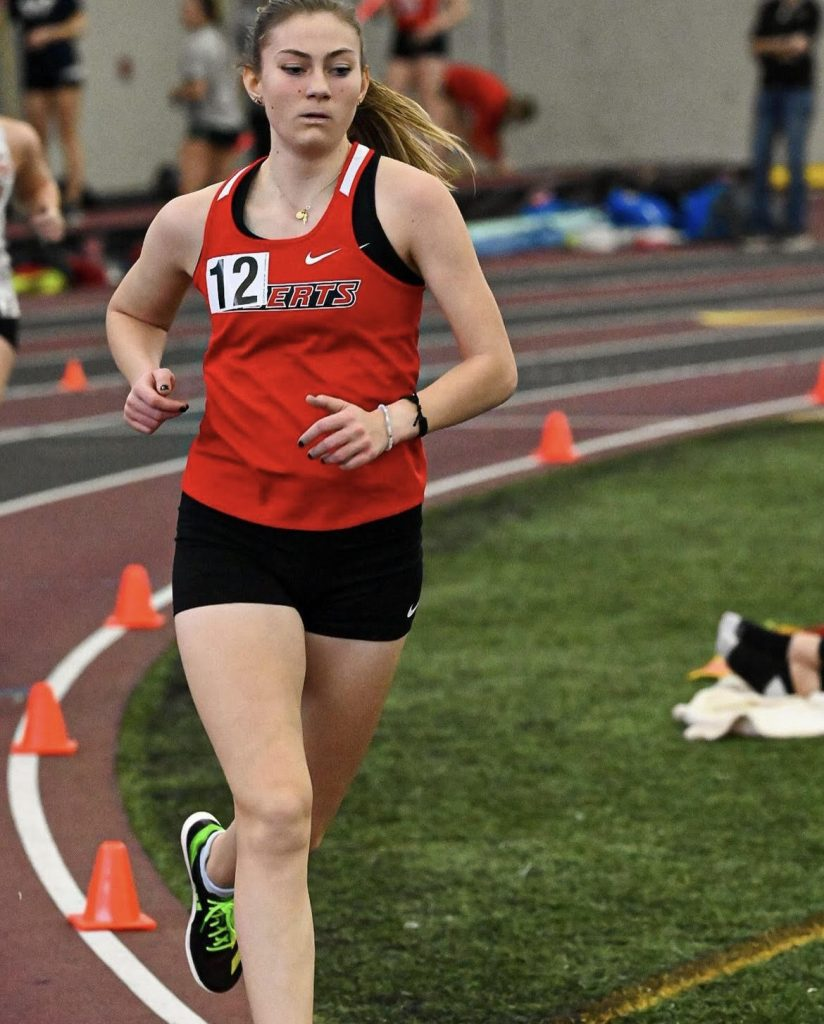
For some high school seniors, choosing where to spend their next four years of higher education can be overwhelming. For former Roberts Wesleyan University athlete Jen Reagan, it was a walk in the park.
“As soon as I got [to Roberts], I said I really like this place and it evolved quickly and came together well,” she said.
Reagan joined the cross-country and track and field teams at Roberts in 2020 but chose to redshirt her spring season.
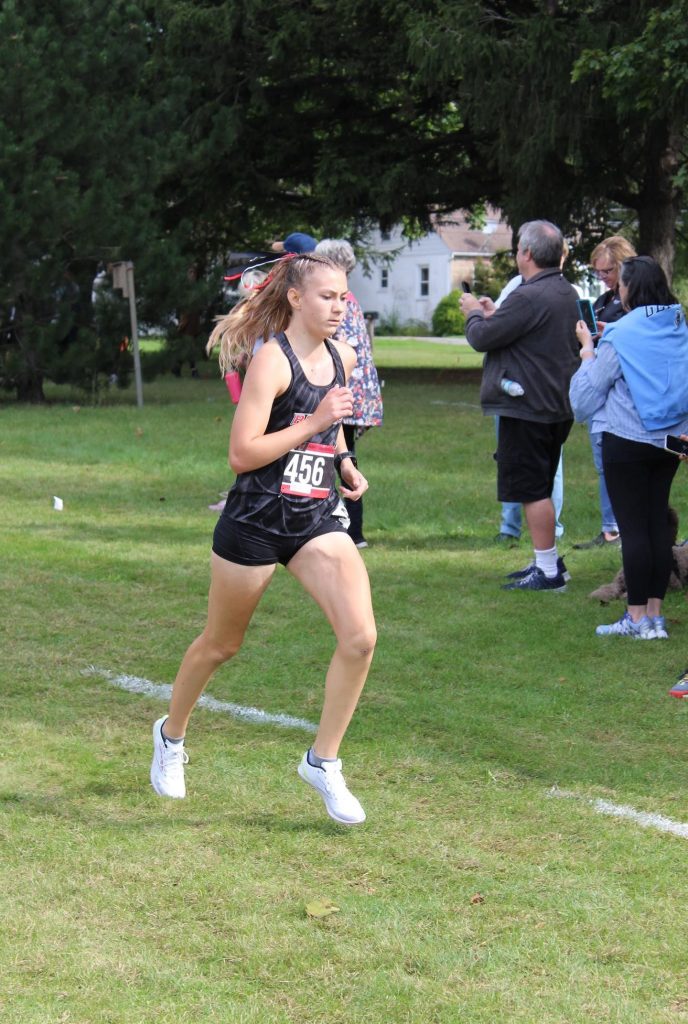
Now a junior, Reagan says she has experienced generalized anxiety as a student-athlete. But she would not go to her coaching staff at Roberts for help, due to their increased emphasis on winning.
“That is the kind of environment that happened this year because my coach changed his philosophy since cross country nationals in the fall,” Reagan said. “And it turned into where there are no excuses, and you have to be here.”
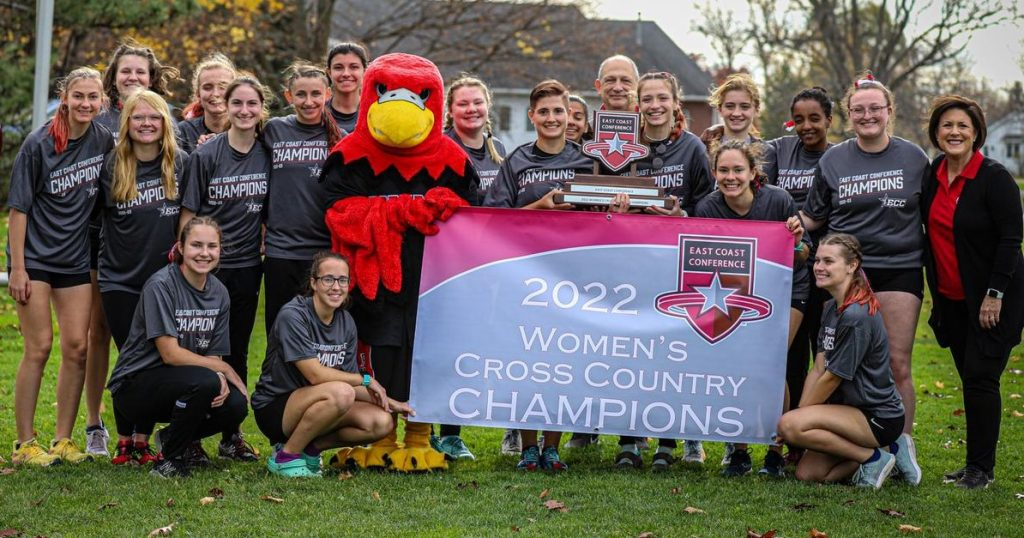
According to Reagan, multiple athletes have left the team, including a team captain.
But the coaching environment was not the only challenge Reagan experienced at Roberts. There were also conflicts within the team about their beliefs regarding mental health.
“Some people on my team did not believe mental health exists and you should be looking to God above all others. And then there are some on the other end of the spectrum that believed mental health is the highest thing you should be considering,” Reagan said.
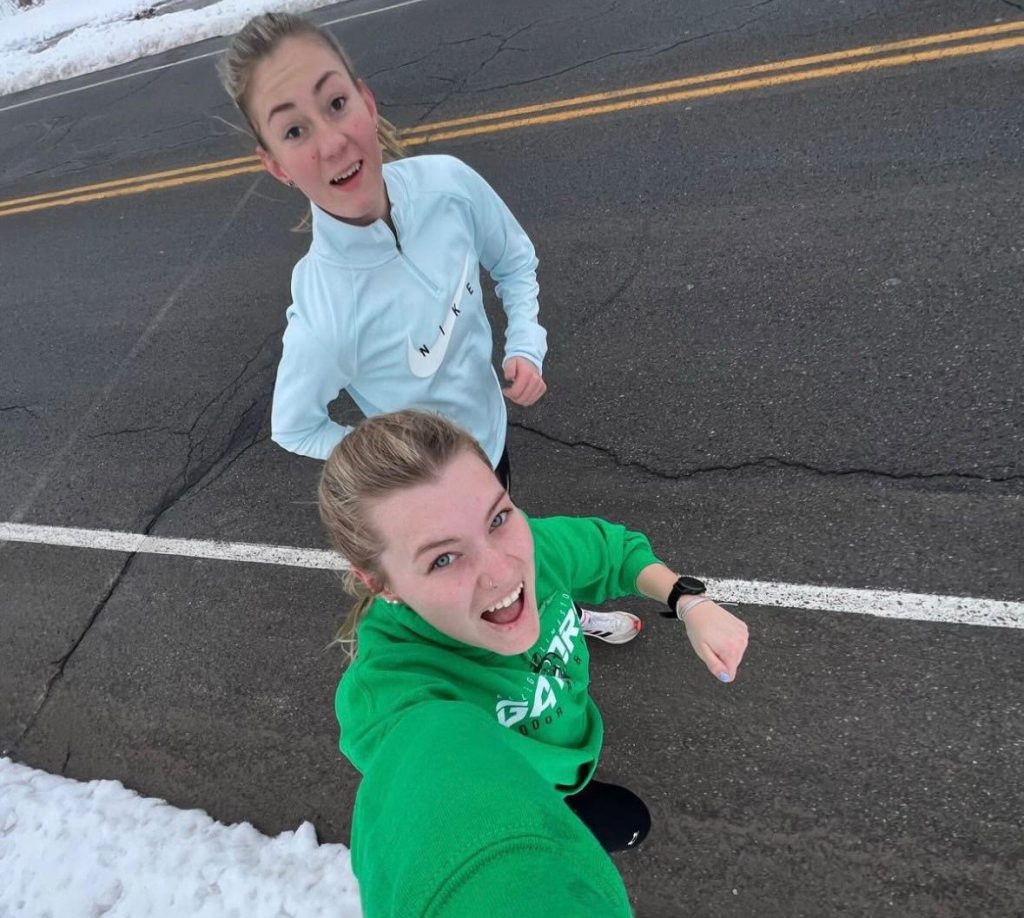
Reagan respected that everyone had a right to their beliefs. But these two challenges and her teammates leaving made her consider walking away in the spring of 2021.
However, Reagan had a reason to stay.
“I have always had part of my identity being an athlete, and I was not ready to let that go,” she said.
While Reagan’s experience has some negative connotations, coaches are changing their view on supporting their athlete’s mental health.
According to the NCAA’s Coach Well-Being Study released in July, coaches across all three divisions said supporting student-athlete mental health is their biggest concern.
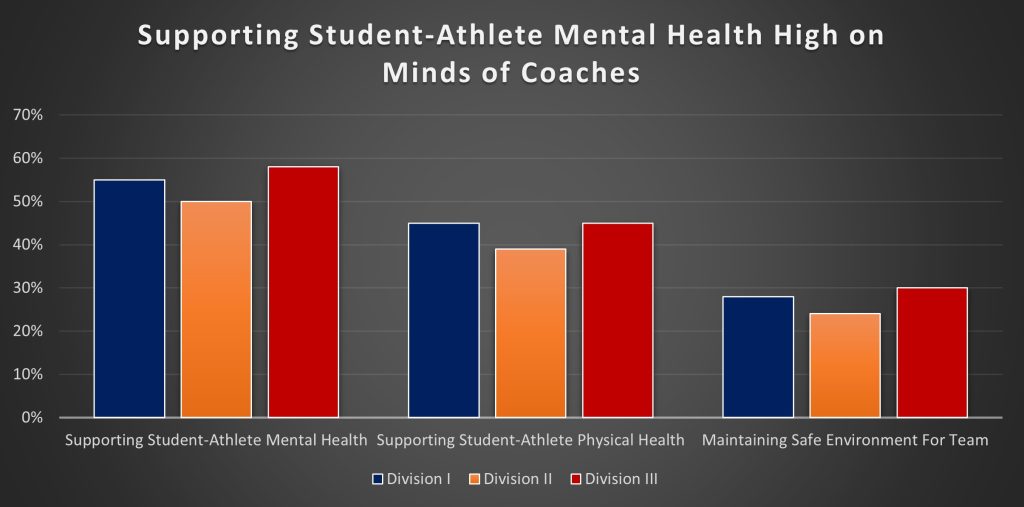
Hearing this seems like a step in the right direction. But how are some coaches putting these survey results into action?
Coaches stepping in
Former SUNY Brockport women’s lacrosse star and current Radford University assistant coach Heather Conklin says an open-door policy has been instrumental in letting athletes get it all out.
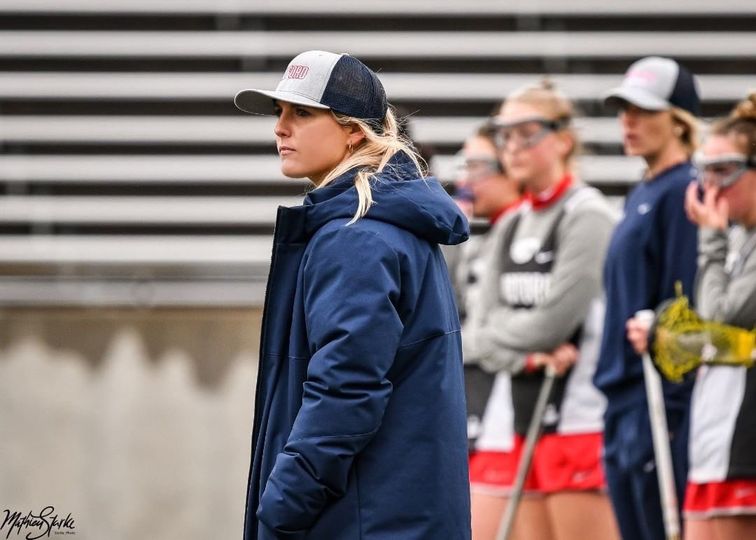
“I am very blunt and honest, and that is refreshing to our girls. And they know when I say I am there for them, I mean it, and will not look at them differently,” Conklin said.
Conklin also says she and head coach Samantha Hurley have included birthday meetings in their coaching style. Corresponding with the date of their birthday, each player schedules a monthly meeting with either coach to chat.
“I enjoy them because that is the personal connection, as you are there to create good relationships with those girls for four years. Sometimes it goes down a deep hole of weird conversations, but that allows them to open up even more because they know we are human too,” Conklin said.
Other coaches have preached similar attributes, including SUNY Brockport men’s basketball associate head coach Joe Clarke.
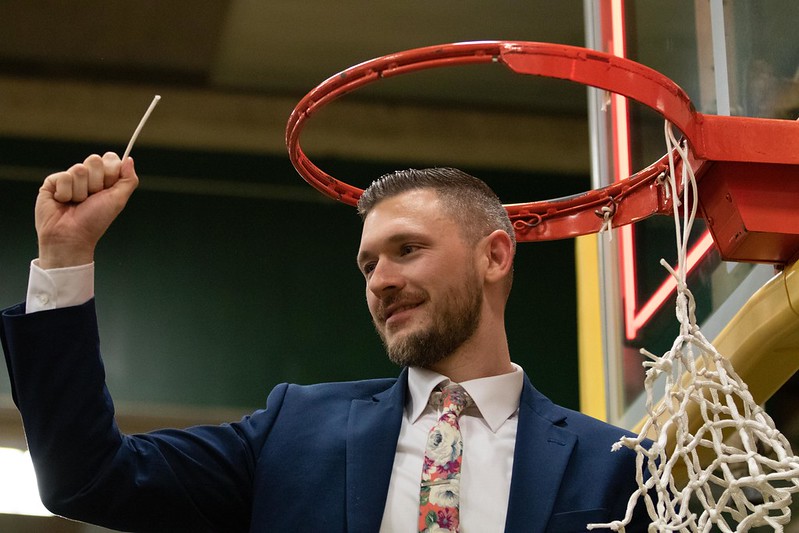
“We tell our guys that you do not want to do one thing too much, whether that is school or being in the weight room,” Clarke said. “The thing for us as a staff is we do teach and preach having that balance and recognizing when [players] are stressed because they are doing one thing too much.”
Clarke also stresses creating a one-on-one connection with every player on the team.
“I try to get a smile from each kid, from the starting five or a bench guy. In just that alone, I can gauge if they are themselves,” Clarke said.
Sarah McClellan, head women’s soccer coach at Roberts Wesleyan University, has seen how stressful the student-athlete experience can be.
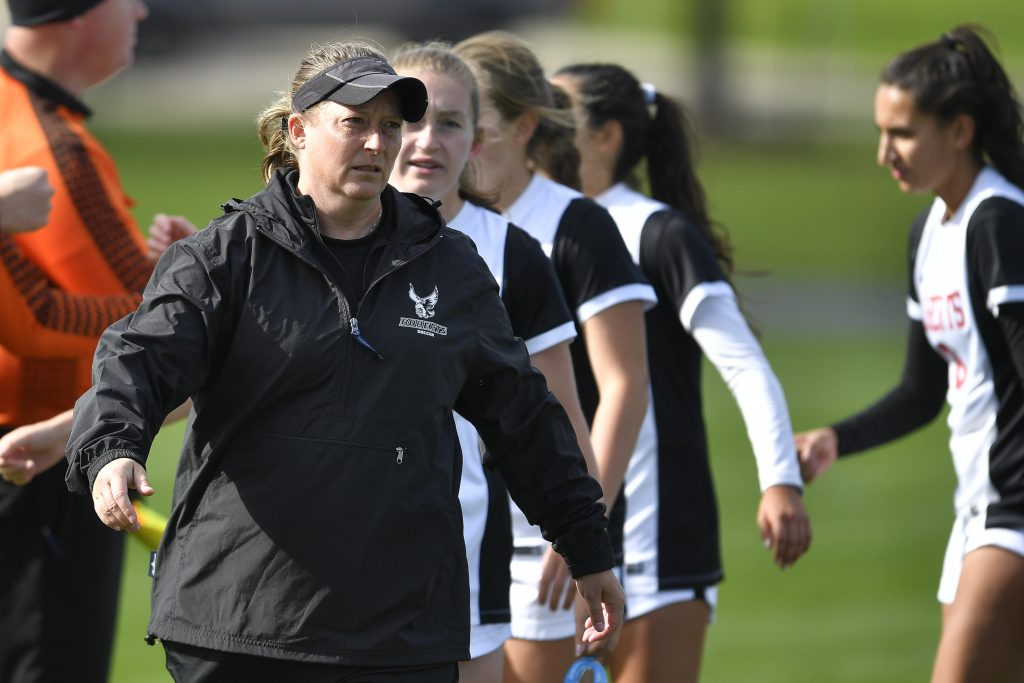
Now in her seventh year at Roberts, McClellan consistently talks with her captains to see if the team still loves soccer. She also implements team games into her practice plan to loosen the mood while staying competitive.
“Finding a way not to say let’s throw in the towel but some negotiation where we are still hitting all of our commitments and prioritizing the overall morale of the group is just as important,” McClellan said.
Although her coaches were not her first resource, Reagan says support came from elsewhere.
“I knew I could go to the remaining captain that we had, and she was good at what she did,” Reagan said. “It is still a work in progress for the whole team, but it has taken a step in the right direction.”
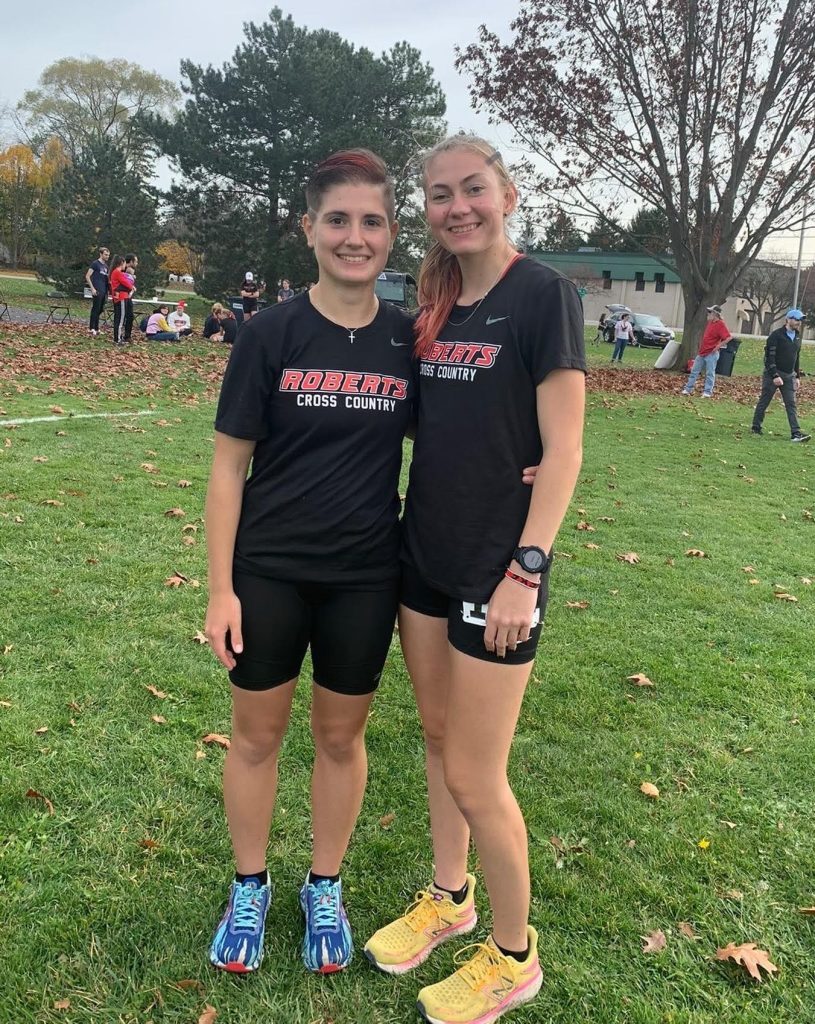
Despite the support, Reagan is transferring to SUNY Brockport. She points to multiple reasons, including academic commitments and the challenging environment.
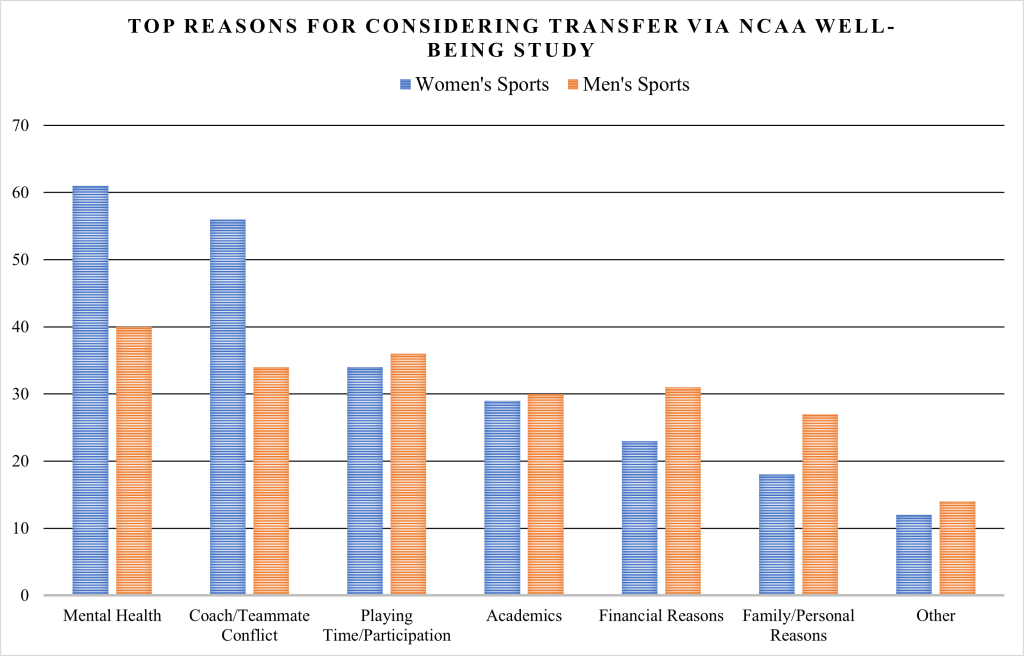
Reagan is not alone in considering transferring because of mental health. In the NCAA’s Well-Being Study, mental health was the top reason male and female athletes considered transferring. Team conflicts and playing time were two and three.
Although it may not seem like it, coaches can be a valuable lifeline for student-athletes to open up about their mental health. But sometimes, coaches do not know where to direct their athletes to more centralized resources. And that is when athletic departments often step in to guide athletes to the help they deserve.
A top-to-bottom approach: athletic departments
Going to a mental health counselor to discuss their problems could allow student-athletes to express their concerns. But, the trickle-down effect often starts with the athletic department.
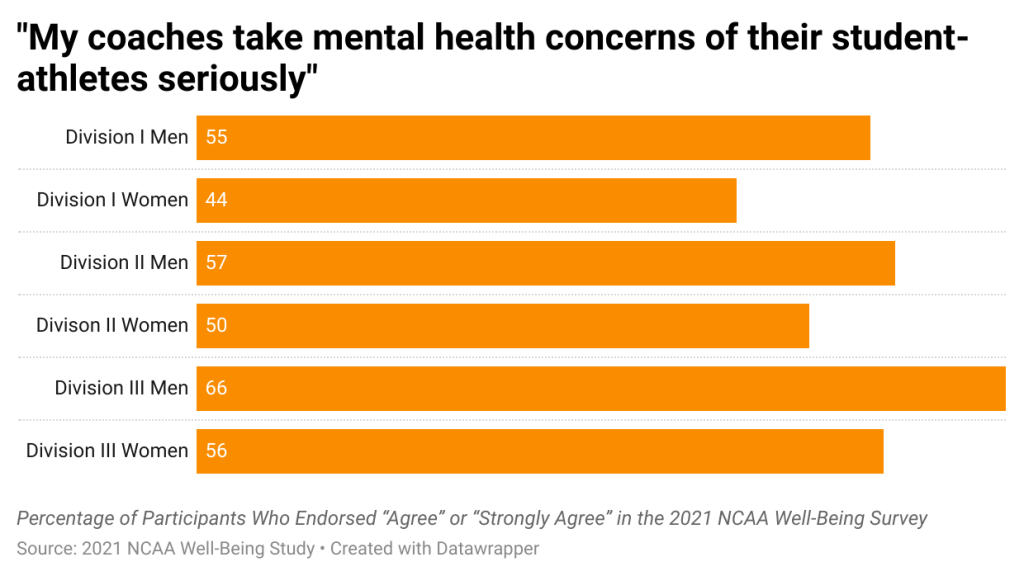
And according to the NCAA’s Well-Being Study, student-athletes believe their athletic departments prioritize mental health.
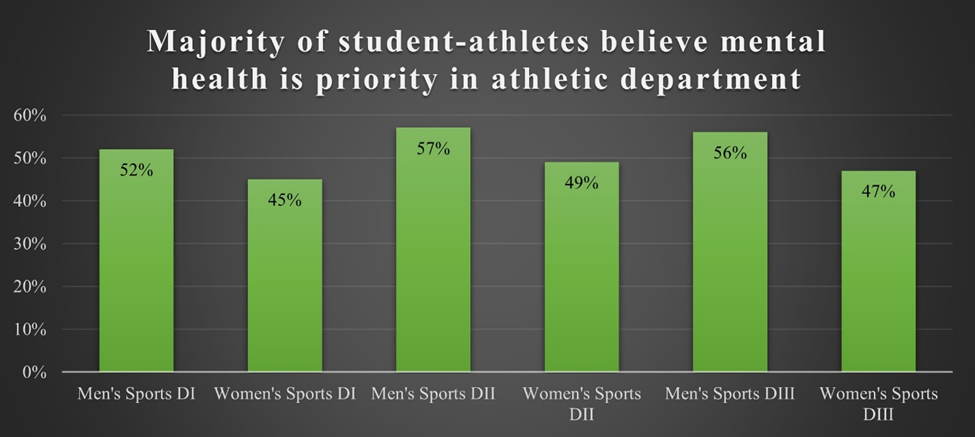
So, how are administrators putting this commitment into action?
Jessica Seren, associate athletic director at SUNY Geneseo, understands the pressure student-athletes face. She was a three-time All-SUNYAC selection in field hockey and helped Cortland reach the NCAA Division III semifinals twice.
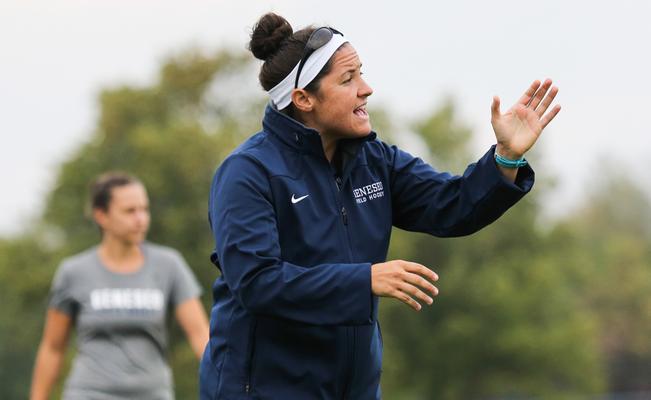
Now as an administrator, Seren has helped implement two mental health resources specifically for student-athletes. The first is the Athletes Connecting, Coping, and Encouraging during Pandemic Times (ACCEPT) program.
During the COVID-19 pandemic shutdown period, athletes could participate virtually in mental-health-focused presentations and listen to guest speakers. If athletes missed a conversation, they could watch a recording.
“Even though we could not be in person, we wanted to find creative ways that gave [athletes] an opportunity to see their peers and provide some resources for things that we were all going through that none of us had a blueprint for,” Seren said.
With COVID-19 fading from the headlines, Geneseo phased out the ACCEPT program. However, Seren and the athletic department took what they learned from ACCEPT and created Knight Athletes Talk.
Beginning this past fall, a counselor from the college pops into the athletic department every Friday from 11 a.m. to 12 p.m. No appointment is necessary, and athletes can talk about anything on their minds. And the counselor can refer athletes to outside resources if needed.
Le Moyne College, a private Division I institution in Syracuse, New York, is also expanding its resources to support student-athletes.
Liza Hillegas, the assistant athletic director for student-athlete success & business operations at the college, says academics and athletics stressors create a snowball effect for student-athletes.
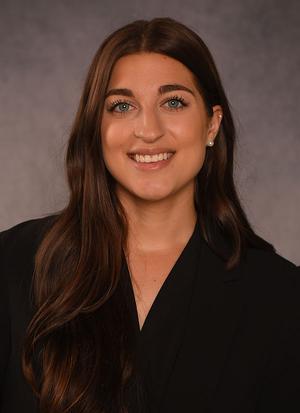
“You start the semester confident and excited and encouraging [athletes] that you have to be on your game at all times. But sometimes that stress can be overwhelming,” Hillegas said.
With these stressors consuming student-athletes, Hillegas and Le Moyne have tried to get ahead with their Early Alert System Exchange (EASE) program.
Offered as a campus-wide option, the program allows professors, administrators, and staff to refer students who need additional support.
Referrals for the program peaked at 300-400 per semester during COVID. Since then, they have fallen to about 100.
“It’s a direct line from the professor to the support to the student-athlete,” Hillegas said. “And more than anything, it is important to let the student-athlete know that this is nothing more than us wanting to make sure you are okay and nobody is here to judge.”

EASE is a valuable resource for the university to help any student that may be struggling. But the Le Moyne athletic department has taken things further with its 360-degree meetings.
In these meetings, anyone directly supporting the student-athlete convenes and gauges how each student is doing. If the inner circle believes help is necessary, the group will guide them to on-campus and off-campus resources.
“It helps give a good idea of those concerning student-athletes that we did not have an idea of that we need to keep our eye on and make sure things are going okay,” Hillegas said.
Placing more emphasis on student-athlete mental health is becoming more of an administrative focus.
But the stressors of supporting collegiate student-athletes are also impacting college administrators’ mental health.
It is not just athletes
While balancing academics and athletics can overwhelm student-athletes, similar stressors weigh on administrators.
According to a spring 2022 survey from AthleticDirectorU, administrators at all levels of NCAA competition are at a high risk of being exhausted and disengaged.
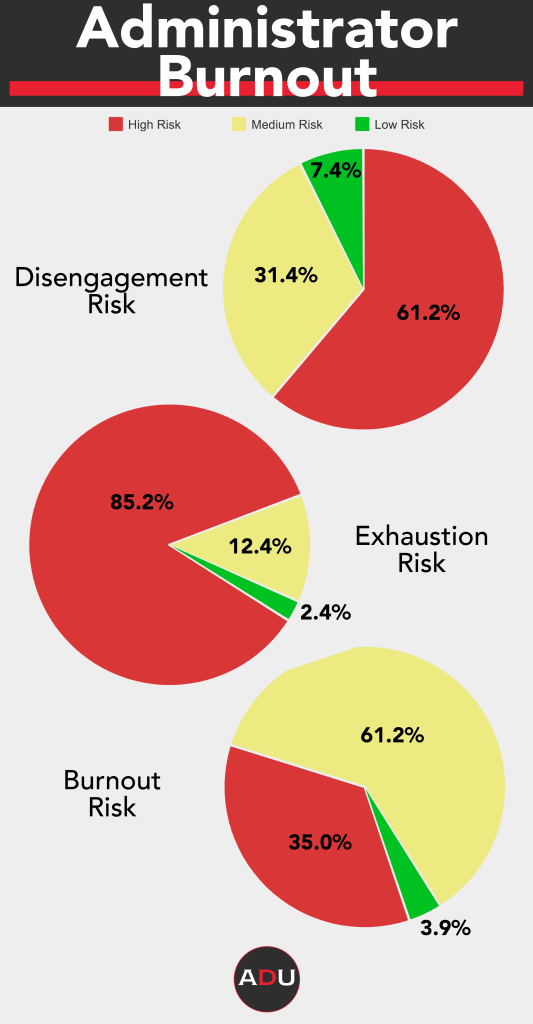
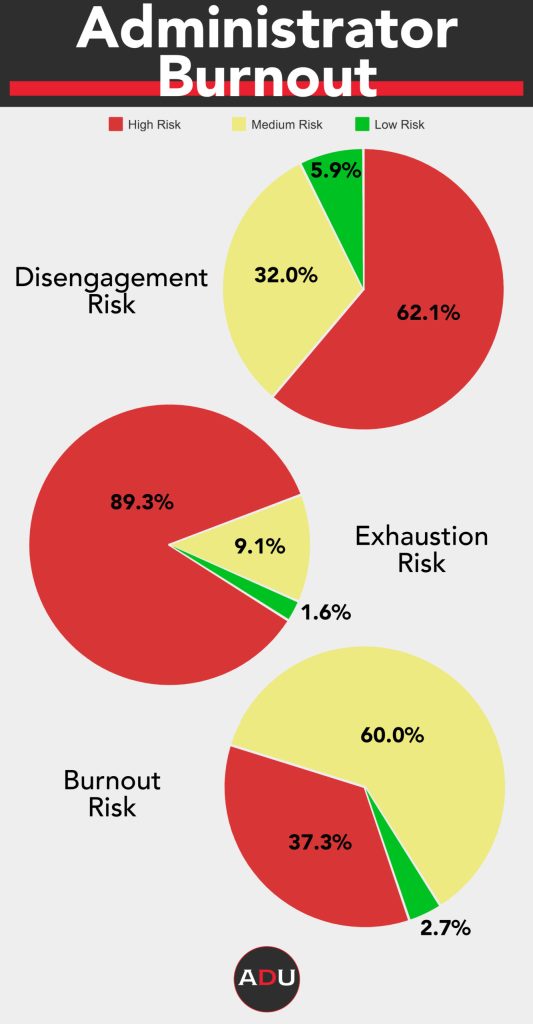
Hillegas says there are days when she feels overwhelmed, as work and personal life can butt heads. But it took a conversation with a student to realize she needed to see a therapist.
“The first student that ever came into my office sat down and said, I do not know why I am here. And I looked in the mirror and said if you are going to encourage these students to get help, you need to do that for yourself.”
Liza Hillegas
After that conversation, Hillegas signed up for therapy the following week.

“To give these students the best support with an open mind and listening ear, you need to be open to that and give your struggles to somebody else so you can take on what they are going through. And that has made a world of difference for me in this position,” Hillegas said.
At SUNY Geneseo, Jessica Seren also has a ton on her plate, including game management and certifying the eligibility of over 400 student-athletes.

Although feeling overwhelmed sometimes, Seren points to finding new ways to do things, despite strained budgets and resources.
“I think right now we have no choice but to do more with less,” Seren said “And it’s finding those unique and creative ways to stay afloat until we can turn the corner and maybe start seeing those gaps close between budgets across all three divisions.”
Despite these concerns, collegiate athletic departments supporting mental health are trending upwards.
But as the stigma evolves, nonprofit organizations are entering the conversation to allow student-athletes to share their stories.
One of those is Morgan’s Message.
Breaking the stigma: Morgan’s Message
Kat Zempolich still remembers how bubbly her former teammate Morgan Rodgers was at Duke University.

“She came in as a freshman when I was a sophomore, and we formed an instant friendship. She was very goofy, full of sunshine, and amazing,” Zempolich said.
But with the silly side came struggles for Rodgers and Zempolich. Both suffered injuries requiring significant recovery time. For Zempolich, it was a hip injury, limiting her to eight games in four years. For Rodgers, it was grade three ACL and MCL tears.
Zempolich says their bond grew because of their injuries.
However, Rodgers’ comeback suffered multiple setbacks. And Zempolich could sense Rodgers was struggling mentally.
“She was trying to get back out there, but it is hard when your body is broken, and you are still in pain to be social and perform in school. There is a lot to juggle, and [Morgan] could not find that sweet spot of what was working.”
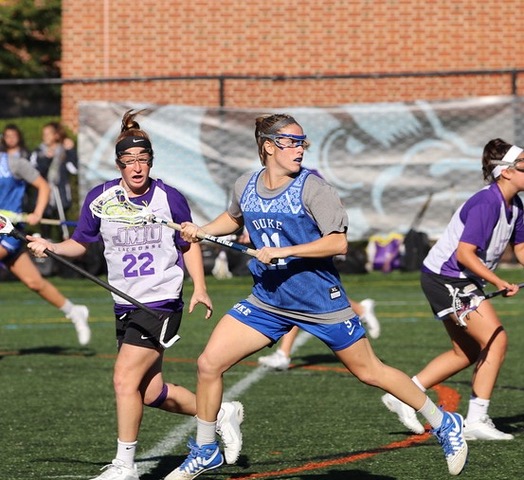
Rodgers eventually took a leave of absence from Duke to recharge. She returned in the fall of 2018 but did not play for the Blue Devils.
Zempolich felt Rodgers was back to being herself, minus the lacrosse. But on July 11th, 2019, Morgan Rodgers died by suicide in Durham, North Carolina. She was 22 years old.
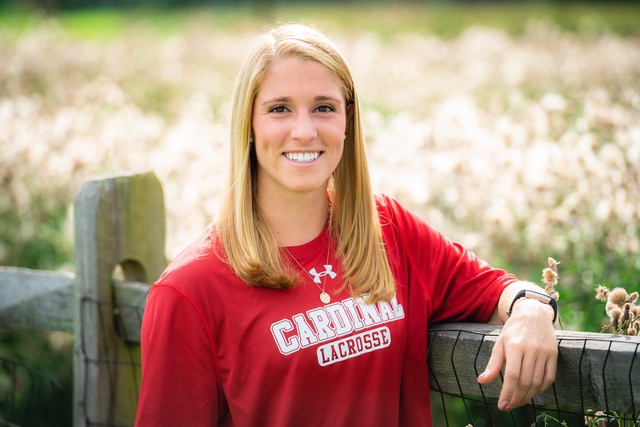
Zempolich was shocked one of her closest friends was gone.
“When she was at her lowest, that was when we were worried about her mental health,” Zempolich said. “And to know that spring she was kind of back, I felt good as a bystander.”
Flash forward a year later, Zempolich and some of Morgan’s former teammates visited her gravesite on what would have been her 23rd birthday.
After some reflection, everyone went to the Rodgers household and shared stories about Morgan.
“Much of what we were talking about was great, and some of it was tough because Morgan was not the only one struggling,” Zempolich said. “And we thought, what could we be doing for these student-athletes and make sure that someone else does not lose their Morgan.”
A few weeks later, Zempolich attended a barbeque with some of Morgan’s club teammates who shared the same sentiment.
And just like that, Morgan’s Message was born.
Now in its third year, the nonprofit has become a platform for athletes to share their mental health struggles.
As a former student-athlete, Zempolich understands the pressure they face.
“When you think of a life a student-athlete lives, they are in a constant pressure cooker because they are wired a little bit differently,” Zempolich said. “There is a drive in them to be better than the person next to them. And when you add in everything else, it’s the perfect recipe for things to go wrong.”
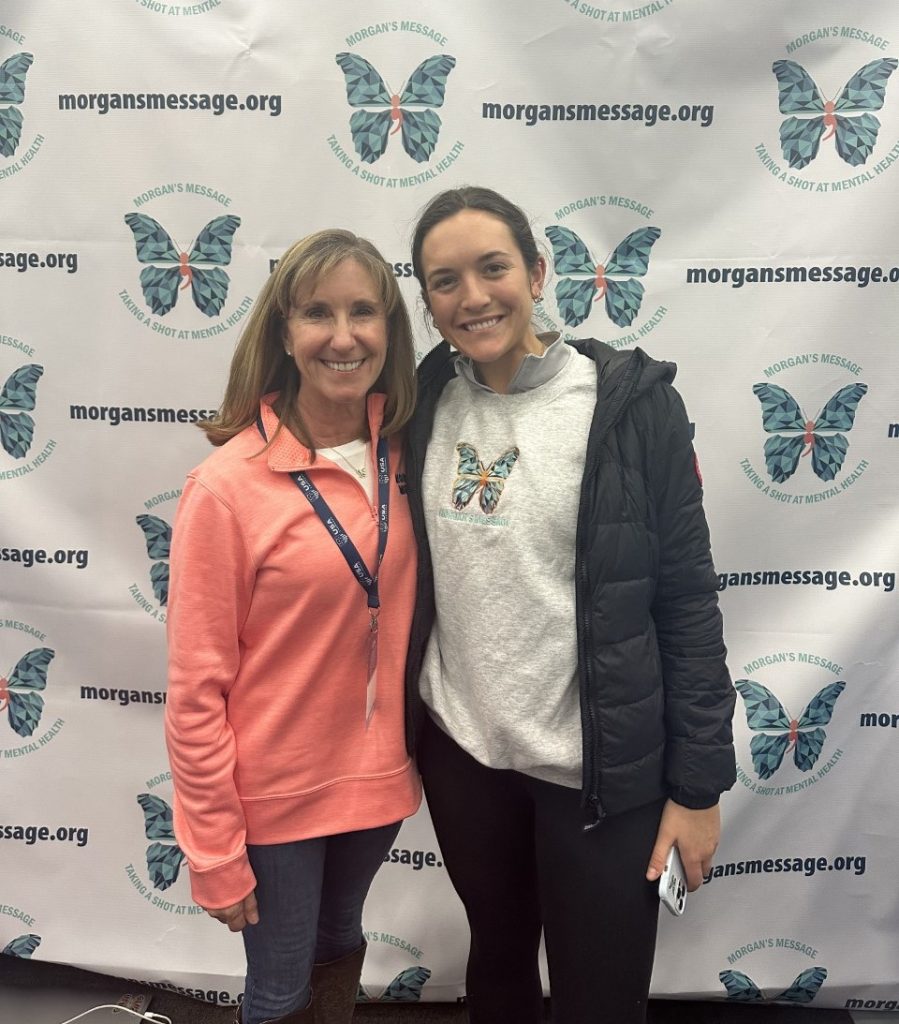
As part of Morgan’s Message, Zempolich and Schuyler Debrae host The Mental Matchup, a podcast allowing athletes to share their stories about mental health.
The series has over 90 episodes and is available wherever you get your podcasts.
But Zempolich does not look at the number of listens for success.
“At the end of the day, that one email makes all the work that goes into [the podcast] worth it,” she said.
Some stories shared by guests on the podcast have deeply personal struggles, including depression, eating disorders, and multiple injuries.
But Zempolich sees these current and former student-athletes as trailblazers to push people to get help.
“When you struggle with mental health, you feel like you are on an island all by yourself or in a rowboat paddling in a vast sea with no one to hear your cries for help. And if we can avoid someone else feeling this hurt and pain, I can get on the mic and bare my soul to the world.”
Kat Zempolich
Alongside the podcast, Morgan’s Message has its ambassador program, allowing student-athletes to work with liaisons to spread mental health awareness across campus.
The program now has over 3000 ambassadors on over 1000 college and high school campuses. The organization has also expanded the program to an at-large ambassador role for anyone not currently a student-athlete.

Zempolich says one of their future goals is to support ambassadors with more training and resources.
But through everything, Zempolich says her former teammate would be proud of what Morgan’s Message has become.
“I do not know if [Morgan] would have the words for that, but she is probably thinking thank goodness something good came out of that struggle,” she said.
Organizations like Morgan’s Message are pushing for more mental health resources for student-athletes and allowing student-athletes to share their stories.
But is it enough for the NCAA to realize more resources are needed across each level of competition?
Where to go from here?
As mental health continues to evolve in collegiate athletics, it is time for organizations to step in and give admins, athletes, and coaches some guidance.
And the NCAA is starting to jump into the conversation.
Last October, the NCAA-commissioned Mental Health Advisory Group met for the first time. Overseen by the Competitive Safeguards and Medical Aspects of Sports (CSMAS), the group consists of representatives from all three levels of NCAA competition and various outside organizations.
According to the announcement, the group “is tasked with reviewing and recommending updates to the NCAA’s Mental Health Best Practices and other relevant mental health materials.” The committee hopes to have recommendations to CSMAS by June and a final document released in January.
The NCAA also took things further by approving a ratified constitution last January that now includes mental health. The document mentions the term eight times, including in its student-athlete well-being section.
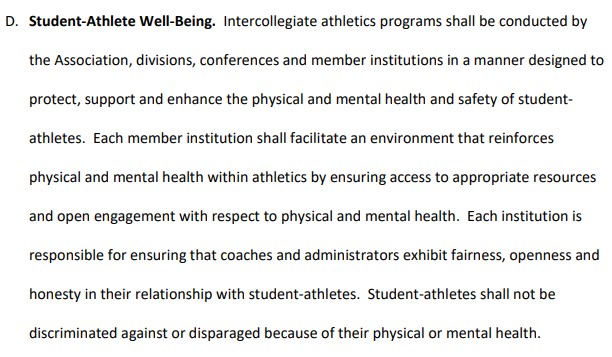
Emma Kramer, a former student-athlete at Simon Fraser University and the current chair of the NCAA DII Student-Athlete Advisory Committee (SAAC), says the advisory group and constitution changes are a good start. However, she says the NCAA needs to do more to support its member institutions.
“As much as the NCAA can put out resources, it is the institutions that directly affect [student-athletes],” Kramer said. “And I think there needs to be more of a shift within coaching staff and administration that emphasizes that your mental health should come first and be as important as your physical health.”
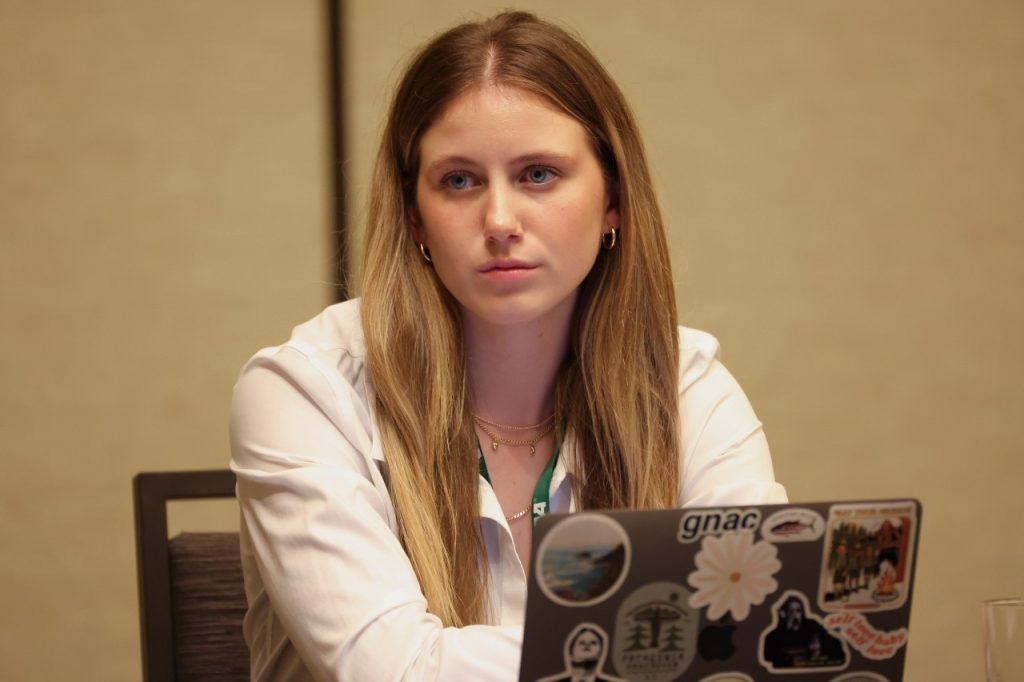
As chair, Kramer wants to normalize mental health issues across Division II and keep it at the forefront of the conversation.
But what could administrators, athletes, coaches, and mental health professionals suggest to the largest collegiate-sanctioning organization to tackle this issue head-on?
Kat Zempolich says more education for coaches is a good starting point.
“There has not been a playbook, and I feel like you hear these stories of mismanaged situations, and I truly think part of that is because we are not setting up coaches for success,” Zempolich said. “If we can teach coaches how to handle some of these situations and give them the tools and tricks to troubleshoot, that would make a world of difference.”
Jack LeStrange, a wrestler at St. John Fisher University in Rochester, New York, says a mandated student-run club focusing on mental health is a good start.
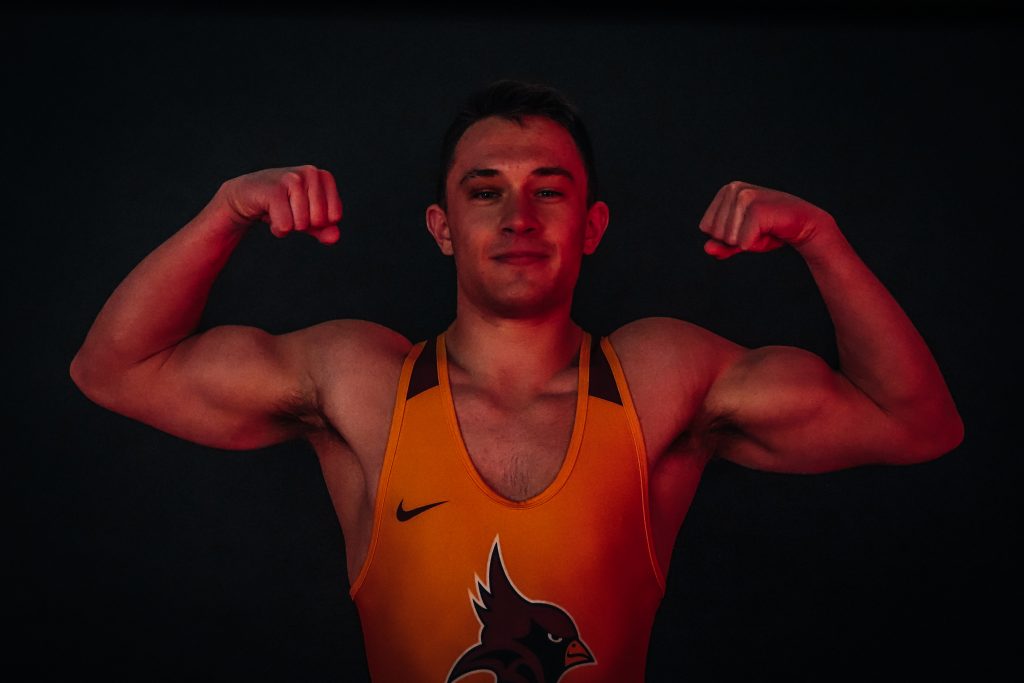
“If you have a committee of students, you are among your peers, and it is a little more comfortable environment,” LeStrange said. “And you still have the power to invoke change throughout the university regarding athletics.”
St. John Fisher has done this by introducing their Athlete-to-Athlete club last fall. Created last fall, the club is pushing to “establish and encourage a strong culture where everyone feels comfortable, safe, and proud to talk about their mental health.”
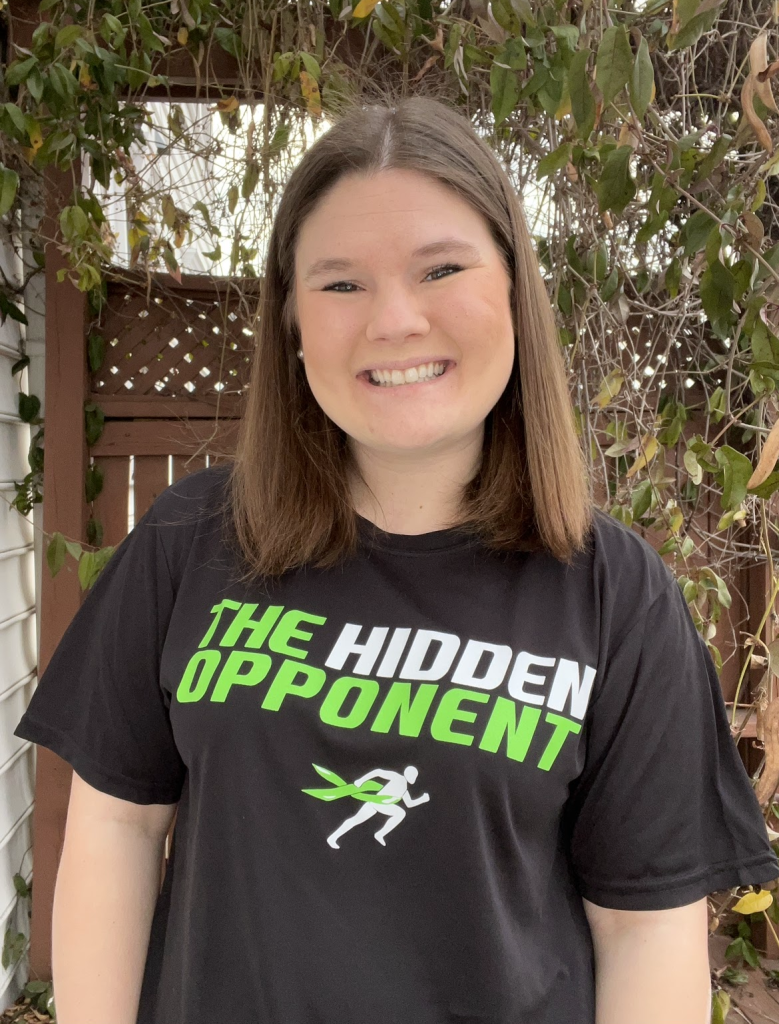
Other universities have partnered with groups like Morgan’s Message and The Hidden Opponent to further the conversation.
However, former athletes like Schemm say a sports psychologist embedded in the athletic department is essential.
“While my therapists on campus were good for listening, I think having someone specialized in the stressors that sports offer would be huge. And it would give somebody that is theirs and be a safe space,” Schemm said.
Education, groups, and therapists are suggestions that others in collegiate athletics want the NCAA and its member institutions to enact. But lower enrollment and strained budgets are forcing institutions to make tough decisions. That often means fewer institutional mental health resources for athletes to use.
But as we wait for the Mental Health Advisory Group to release their findings and suggestions to the NCAA, there is something people inside and outside of athletics must understand.
College athletes are superstars who can help their teams raise a national championship. But these same athletes could be dealing with problems that are tough to see
Although the mental health problem in collegiate athletics is a work in progress, college athletes continue to share their stories.
And Kat Zempolich says that is more important than ever in the fight.
“There is this innate power in knowing that other people are opening that door for you to walk through,” Zempolich said. “These groups of young adults who just so happen to be student-athletes are starting these conversations. And while it can be scary, there is never just one of them.”
*A special thank you to everyone who helped make this project a possibility*

