ONTARIO, N.Y. — Coming out of high school, student-athletes have different competition levels to choose from. Many often pick the National Collegiate Athletic Association (NCAA), with over 500,000 students competing across their three divisions.
Although the NCAA is garnering the attention, other sanctioning organizations are trying to stay in the fight. One of those is the National Junior College Athletic Association (NJCAA).
Brief History of NJCAA
Looking back, the NJCAA may have to thank the mighty NCAA for their creation.
After being rejected to run in the 1938 NCAA outdoor track and field championships in Southern California, representatives from 13 California two-year colleges met to create an association for junior and community colleges.
Days later, the NJCAA accepted their first constitution and hosted their first national championship a year later.
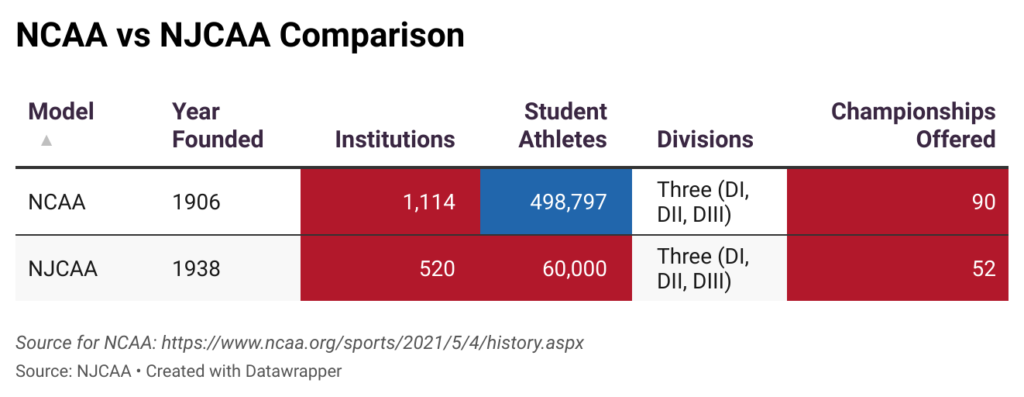
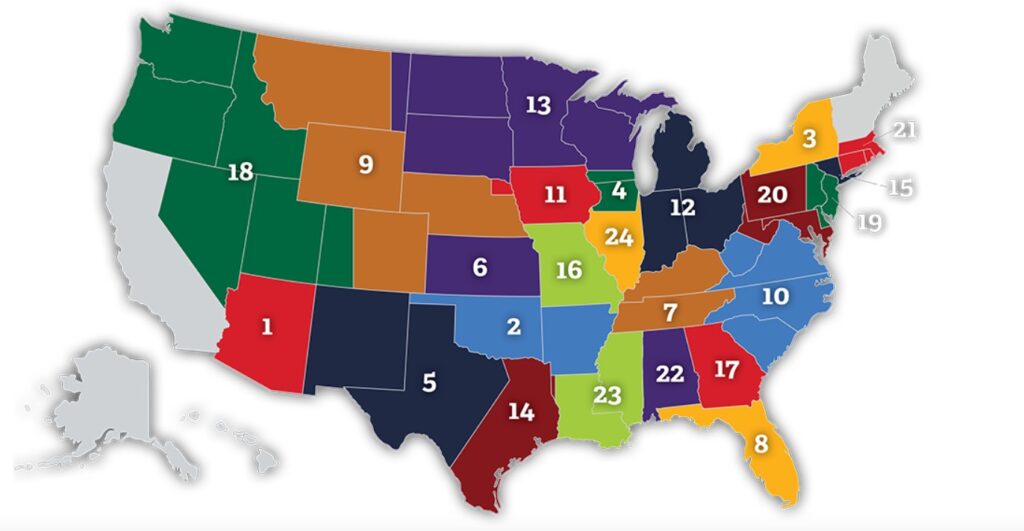
Since then, the NJCAA has expanded to 520 institutions in 44 states across the country.
But while the NJCAA gives student-athletes a chance to compete, they have earned a negative stigma. And current and former NJCAA athletes who competed are trying to change it.
The Junior College Stigma
The NJCAA has faced an uphill battle competing against the powerful NCAA since May 14, 1938. Fewer athletes and opportunities have created a stigma where there is a significant gap in competition at the junior college level.
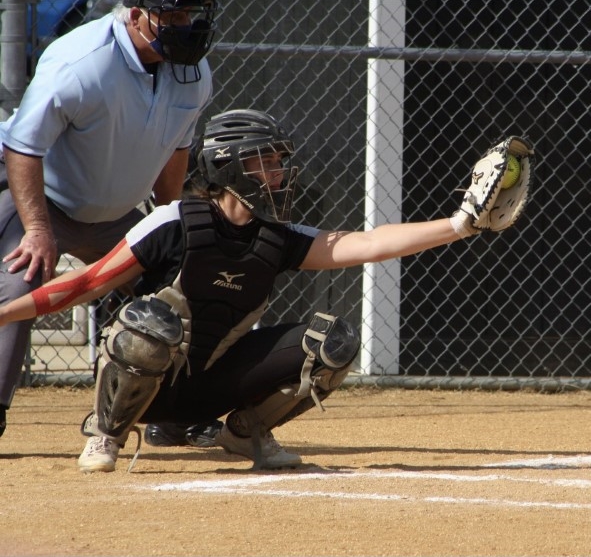
For former NJCAA athlete Hailey Burdick, the unfair label has angered her.
“People look at [JUCO] and say I’m better than that, as the NCAA is put on a platter,” Burdick said. “Everyone thinks it is not a big deal, as junior college is the lowest you can start.”
Coming out of Emira Heights High School in 2018, Burdick chose Corning Community College to continue her softball career. Under head coach Stacy Johnson, Burdick was the starting catcher for the Red Barons from 2019 to 2021. But while the COVID-19 pandemic put a wrench in their 2020 season, 2021 was a recording-breaking year for the Barons.
Racking up a program-record 37 wins, the team advanced to the NJCAA DIII Championship game. And Burdick played a key role, hitting .382 with seven home runs en route to an all-American nod.

Burdick graduated from Corning in May 2021 with an associate degree. Since then, she has enrolled at SUNY Brockport, pursuing a bachelor’s degree in Psychology. And she made the softball team last fall.
But looking back, Burdick has some words of wisdom for those considering junior college.
“If you go the JUCO route, you are going to get your chance to improve and make great relationships with your teammates,” she said.
NJCAA: A Springboard
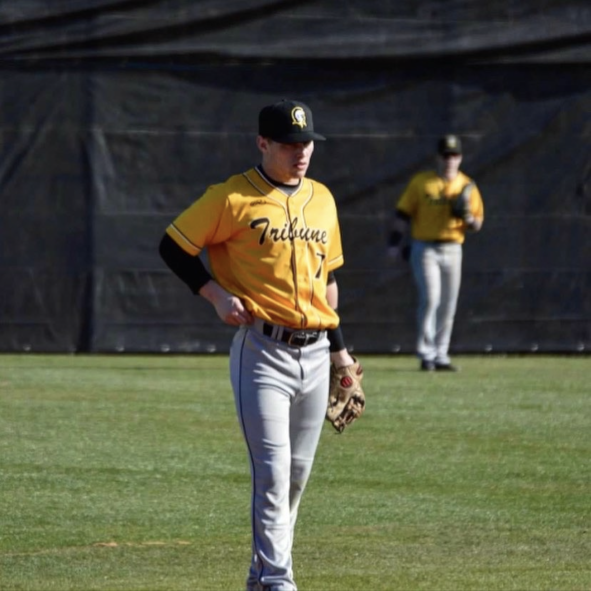
Although the NJCAA only offers two years of eligibility, those four semesters often pay off in the long run. For Sean Flannery, his experience helped springboard him to a better opportunity.
Graduating high school in 2018, Flannery took a scholarship offer from NCAA DII King University in Tennessee to play baseball. But after a semester away from family, something did not feel right.
So, Flannery came home and enrolled at Region III Monroe Community College. He found success in his lone season, hitting .358 and helping the Tribunes make the NJCAA DII World Series.
But it did not come easy for him.
“If you wanted to prepare, you had to do it yourself,” Flannery said. “Everyone wanted to win, but they wanted to do well at the same time to go to the next level.”
After his successful season at MCC, Flannery chose NJCAA Region 10 member Spartanburg Methodist as his next destination in 2020. It was a step up in competition for the shortstop.
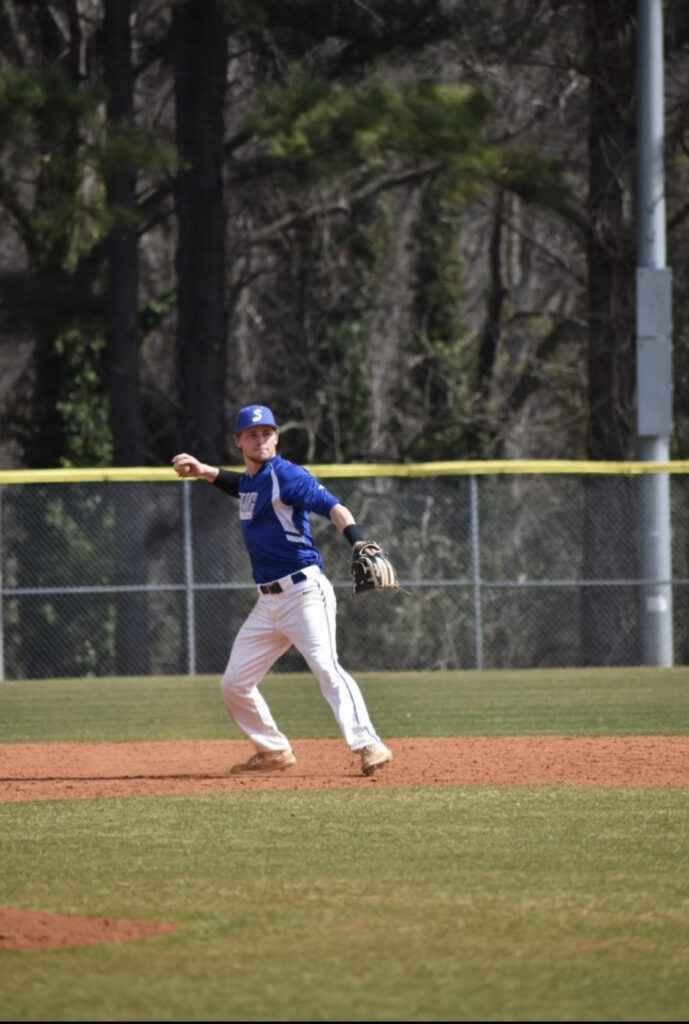
“Spartanburg Methodist was the real deal as we played in one of the best conferences in the nation for junior colleges,” Flannery said.
Due to the pandemic, Flannery chose to redshirt his sophomore year. But this past spring, he came back with a vengeance for the Pioneers, leading the team in hits (61) and had 41 RBIs. Through his NJCAA experience, his dream of playing Division I baseball came full circle this past fall when he enrolled at Winthrop University.
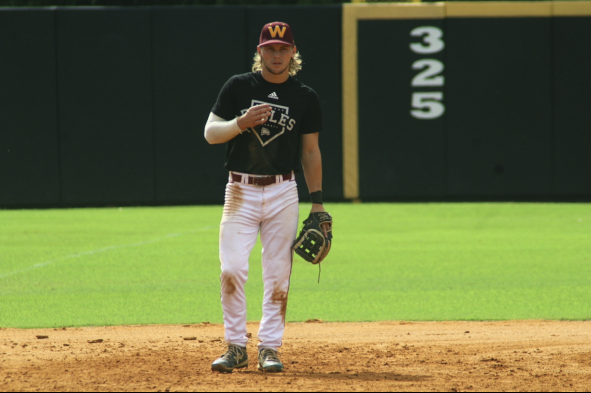
Although the road was rough, Flannery says he would not change anything about his journey from the NJCAA to Division I.
“It made me the man I am today, as it taught me what passion was,” Flannery said. “I had a goal to play Division One baseball, and my NJCAA experience helped me get there.”
Advice for Going the NJCAA Route
There is no denying the NJCAA is in the shadow of the NCAA. But, there have been some stars that started at the JUCO level, including two-time World Series champion Albert Pujols and Pro Football Hall of Famer Roger Staubach.
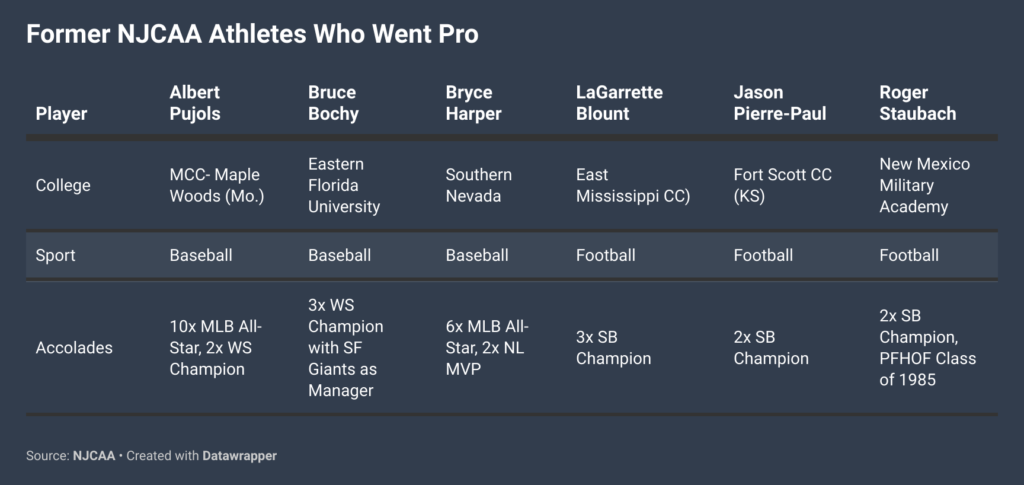
While the NJCAA might not offer the same perks as the NCAA, it can help students ease into the college experience.
“If the opportunity is there, take it,” Mathieu Starke, who played soccer at Clinton Community College, said. “You are going to get playing time because rosters are constantly rotation, and you have an idea of what to expect at the college level.”
The junior college experience may not be attractive for college athletes at first. But if you do your homework, you may be surprised by what the NJCAA has to offer.

