ONTARIO, N.Y. — Student-athletes have different avenues of NCAA competition to choose from once graduating high school. Each level has its perks, from free gear to profiting off your name, image, and likeness.
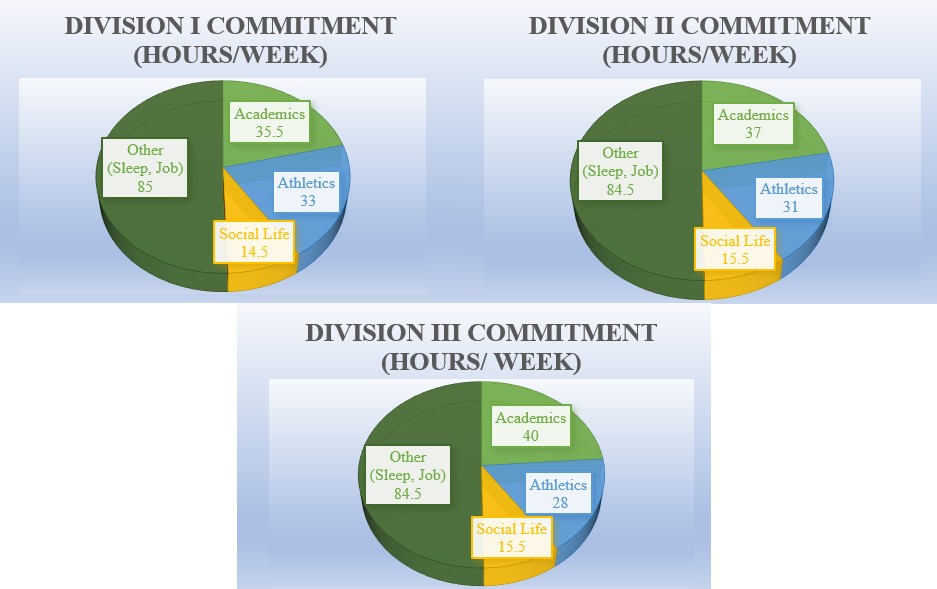
But how does the commitment factor on and off the field stretch across the three divisions of NCAA athletics?
Division I: Married to Your Sport?
Coming out of high school, many athletes have a Division I dream. For Joey Sliwoski, the hunger to wrestle DI started at a young age.
“Growing up, it was a goal of mine to compete in Division I,” Sliwoski said. “I was confident I had the talent and it was a personal challenge I wanted to set.”
Sliwoski started his DI journey in 2016, choosing Clarion University, about four hours from his hometown of Walworth, New York.
Enrolling in their accounting program, Sliowski knew balancing 25 hours of wrestling and 35 hours of academics each week would be a challenge to find a groove.

(Photo provided by Sliowski)
“It took some adjusting to find the right balance between training and completing your assignments,” he said. But [Coach Ferraro] cared about our academics, as we would have study table six hours a week so he knew we were getting our homework done.”
Sliowski said that his coaches gave the team Wednesday practices off as a rest day to avoid burnout.
“Their philosophy was we want you to peak right at March with postseason action,” he said.
Sliowski’s determination paid off in his four years at Clarion. He graduated in 2020 with a bachelor’s degree in accounting and has found a job as a financial analyst at OrthoCarolina.
His advice for student-athletes wanting to go DI involves finding something that works for them.
“Prioritize and stay organized,” Sliowski said. “School comes first, and hopefully you find a program with a coaching staff who knows you are there for academics.”
Division II: Make It Yours
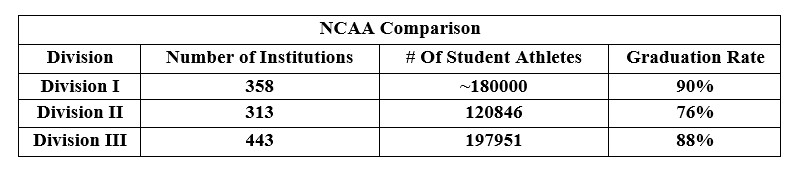
For some, the Division II student-athlete experience can offer a consistent balance of competition and academics. With 313 DII institutions around the country, the opportunities are there if you can find them.
Emily Miller is one example. Growing up in suburban Buffalo, Miller dreamed of playing collegiate basketball. And after fielding offers from Daemen, LeMoyne, and Gannon University, Miller chose Roberts Wesleyan College.
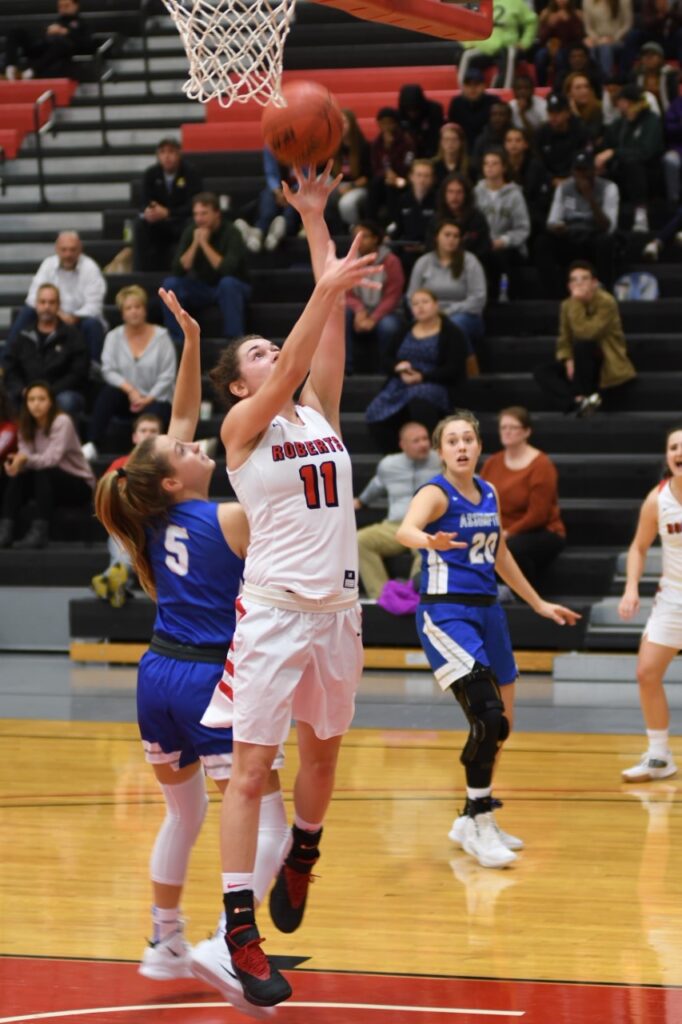
“The campus was small and homey, which was what I was looking for,” she said. “And being a Division II school, I knew there was still a high level of play while having a balance of work basketball life.”
Although there was a balance, Miller pushed herself on and off the court. She would take 15-18 credits every semester on top of 30 hours of athletic commitments each week.
The stress made Miller consider transferring or walking away from the game during her sophomore year.
But she kept going for her teammates and family.
“The love I had for my teammates and the game was still there, and I felt like I owed it to finish,” Miller said. “And my mom told me once you get to the court, you have to take the baggage off and the court is where you do not have to think about it anymore.”
Pushing through, Miller rewrote the history books for Roberts Wesleyan women’s basketball. Graduating in 2020, she retired as the program’s all-time leading scorer and was named an academic all-American three times.
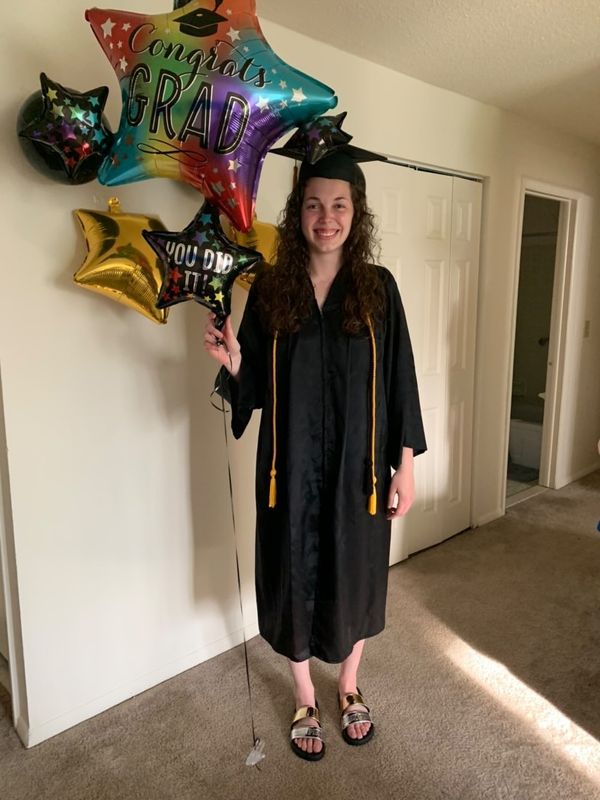
Looking back, Miller has fine memories from her DII experience.
“It was much more familiar and I had time to do well in school,” she said. “We never won a championship, but I faced some high-level players and it was very fulfilling.”
Division III: Educational Priority
While Division I and II may offer more athletic opportunities, Division III has emerged as a preferred path for college athletes. The division has the most student-athletes (197,000) and institutions (443) across the NCAA.
Amanda Blakely, a third baseman for the Brockport Golden Eagles Softball team, is one of those athletes.
After graduating high school in 2019, Blakely says the college and softball program drove her to the green and gold.
“Brockport was the one that stood out because I felt the college and team atmosphere was what I wanted and I have not looked back,” she said.
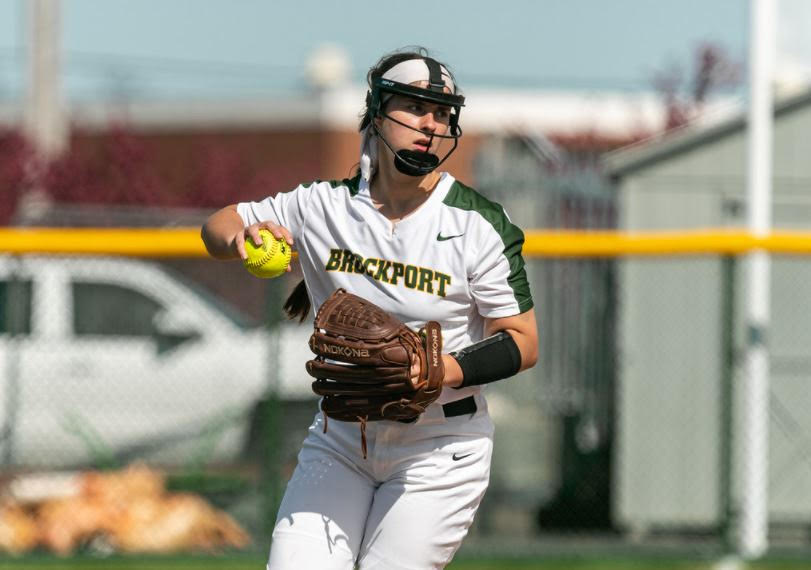
Since coming to Brockport, Blakely has excelled in the classroom. She has achieved a 3.65 GPA and has been named a SUNYAC All-American in consecutive seasons.
Although the accolades are nice, Blakely knows excelling in the classroom comes first, with softball as a stress reliever to keep her on track.
“If I can maintain a high GPA and do well in the classroom, then I can unload everything from the day during softball,” Blakely said. “The happy medium for me is you do your work first and then you get to make memories with your teammates on the field after.”
Advice for Future Student Athletes
While each situation is different, the commitment to collegiate athletics is challenging. And while it may be overwhelming, Miller says loving your sports will help push you through.
“I would sit down with them and explain that it is not fun every day,” she said. “There are tough times, but if you love the game, it’s going to make a huge difference in how you pursue your life.”

